The Magic of Movement
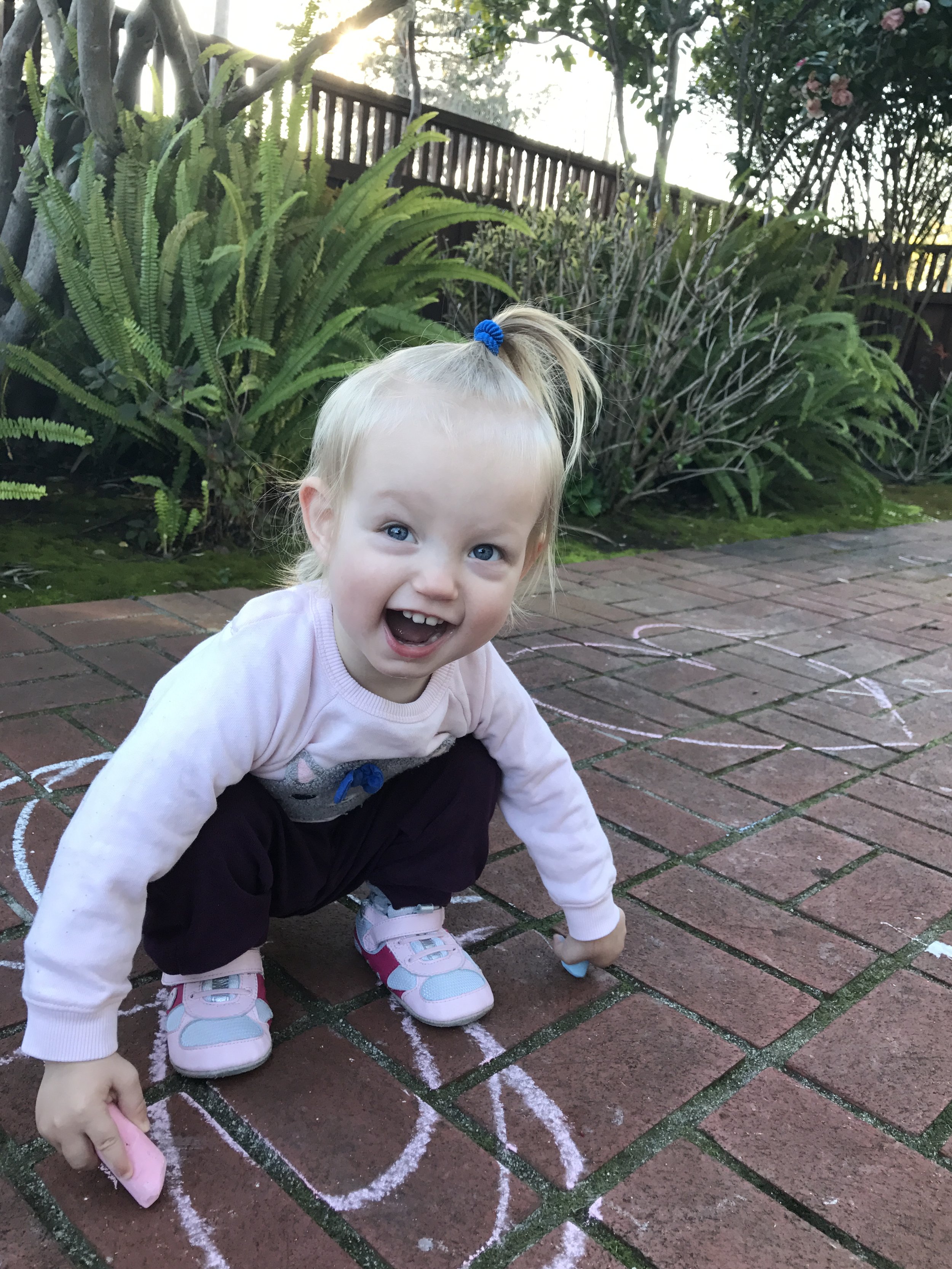
Before I became a homeschool mom, I spent years studying movement and how it shapes child development. As a licensed physical therapist in Denmark, I learned how movement is the foundation for learning, emotional regulation, and overall well-being. Now, as I guide my own children’s education, I see just how important it is to weave movement into daily life—not as a separate subject but as something natural, joyful, and essential.
Sometimes traditional PE focuses on drills, structured exercises, or competitive sports, but I’ve found that children—especially in the early years—thrive when movement is playful, rhythmic, and connected to nature and storytelling. For me movement isn’t just about fitness; it’s about developing the whole child—body, mind, and spirit. This approach has deeply shaped the way I bring movement into our homeschool.
Why Movement is Essential for Learning
One of the most fascinating things I’ve learned—both in my studies and in raising my children—is how closely movement is linked to cognitive development. So many of the skills we think of as “academic” are actually built on a strong physical foundation. Balance, coordination, and rhythmic movement all contribute to focus, emotional regulation, and the ability to process information. A child who struggles with sitting still or concentrating often benefits more from movement-based activities than from simply trying harder to stay put.
Movement also plays a huge role in sensory integration. Jumping, crawling, spinning, balancing—these aren’t just games. They help children process the world around them, making it easier to focus, listen, and learn. Even something as simple as skipping or clapping to a rhythm strengthens neural connections that support language and math skills.
Bringing Movement into Our Days
In our home, movement is woven into our rhythm rather than being something separate. Some days, it’s as simple as an impromptu dance to a favorite song or balancing across a log at the park. Other times, I bring in imaginative movement stories, where we transform into animals, travel through enchanted forests, or move like the elements—flowing like water, growing like trees, soaring like birds. These kinds of activities make movement feel like play, which is exactly how children learn best.
Nature also plays a huge role. I truly believe that the best movement environment isn’t a gym—it’s the world outside. Climbing trees, running through tall grass, balancing on uneven terrain—these natural movements build strength, coordination, and resilience in a way no structured exercise ever could. We often take walks with a little added adventure, turning fallen logs into balance beams or imagining we’re animals moving through the landscape.
For older children, rhythmic movement becomes even more important. Jumping rope, skipping, and folk dancing aren’t just fun—they build coordination, timing, and focus. I’ve seen how even a few minutes of rhythmic movement can reset a difficult homeschool day, helping my children feel more centered and ready to learn.
Eurythmy, a unique movement art in Waldorf education, is something I would love to explore more, but have dipped my toes a little into. While we don’t follow a formal practice, I bring elements of it into our homeschool by encouraging movements that follow patterns—walking spirals, tracing figure eights, or moving with poetry and music. These gentle, flowing movements support body awareness, concentration, and emotional expression in a way that feels grounding and calming.
Movement as a Tool for Emotional Regulation
Beyond its physical benefits, movement is also one of the most powerful tools for emotional regulation. I’ve seen firsthand how a child who feels overwhelmed, restless, or frustrated can completely shift after just a few minutes of intentional movement. Swinging, spinning, crawling, and pushing against resistance (like wheelbarrow walks or climbing) help the nervous system reset, making it easier to manage big feelings.
In our homeschool, if a lesson isn’t landing or emotions are running high, we step away and move. Sometimes that means going outside, sometimes it means a silly dance break, and sometimes it’s something as simple as rocking or stretching. The key is understanding that movement isn’t a distraction from learning—it’s often exactly what the brain needs to learn.
A More Natural Approach to PE
Thinking about movement in this way has completely changed how I view “PE” in our homeschool. Instead of structured lessons, we focus on meaningful movement woven throughout the day. That might mean a morning spent exploring outside, a mid-day movement game to bring energy back into our rhythm, or an evening spent dancing in the living room. It doesn’t have to be complicated—just intentional.
I know from my background in physical therapy that a child’s body is constantly seeking ways to grow stronger, more coordinated, and more regulated. When we follow their natural need for movement, we’re not just helping them stay active—we’re supporting their ability to learn, focus, and feel at home in their own bodies.
Movement is magic. And when we bring it into our homeschool with imagination, rhythm, and joy, we give our children something so much more than just exercise. We give them a foundation for lifelong well-being.